


Building Your Personalized Skincare Routine: Personalized Skincare Tips for Healthy Skin

Updated: Oct 8
Creating a skincare routine that truly fits our unique needs can feel overwhelming. There are so many products, ingredients, and advice out there. But when we take the time to understand our skin and what it needs, we can build a simple, effective routine that supports healthy, glowing skin every day. Let’s explore how to create a personalized skincare routine that works for us, especially if we have sensitive or reactive skin.
Understanding Our Skin: Personalized Skincare Tips
Before we start picking products, it’s important to understand our skin type and concerns. Our skin can be dry, oily, combination, sensitive, or normal. It might also have specific issues like redness, irritation, or occasional breakouts. Knowing this helps us choose the right ingredients and avoid those that might cause problems.
Here are some personalized skincare tips to help us get started:
Identify your skin type: We can do this by observing how our skin feels about 30 minutes after washing. Is it tight and flaky (dry)? Shiny and greasy (oily)? Or a mix of both (combination)?
Note any sensitivities: If our skin reacts easily to new products or environmental factors, we should look for gentle, fragrance-free options.
Consider your lifestyle: Factors like sun exposure, stress, diet, and sleep affect our skin’s health. Our routine should support these aspects.
Patch test new products: To avoid reactions, we can apply a small amount of product on a discreet area and wait 24 hours to see if irritation occurs.
By taking these steps, we create a foundation for a routine that respects our skin’s needs and helps it thrive.

What are the 5 basics of skin care?
When building a routine, it’s helpful to focus on five basic steps that form the core of good skin health. These steps are simple but powerful when done consistently:
Cleansing: Removing dirt, oil, and makeup gently without stripping the skin’s natural moisture.
Toning: Balancing the skin’s pH and preparing it for better absorption of treatments.
Treatment: Addressing specific concerns like redness, dryness, or uneven tone with serums or creams.
Moisturizing: Hydrating and protecting the skin barrier to keep it soft and smooth.
Sun Protection: Shielding the skin from harmful UV rays to prevent damage and premature aging.
Each step can be adjusted based on our skin’s needs. For example, if we have very sensitive skin, we might skip toners with alcohol or fragrances and choose a moisturizer with soothing ingredients like aloe or chamomile.
Choosing Ingredients That Work for Us
Ingredients matter a lot in a personalized skincare routine. Some ingredients are known for their gentle, nourishing properties, while others can be too harsh for sensitive or reactive skin. Here are some ingredients to look for and some to avoid:
Ingredients to Look For:
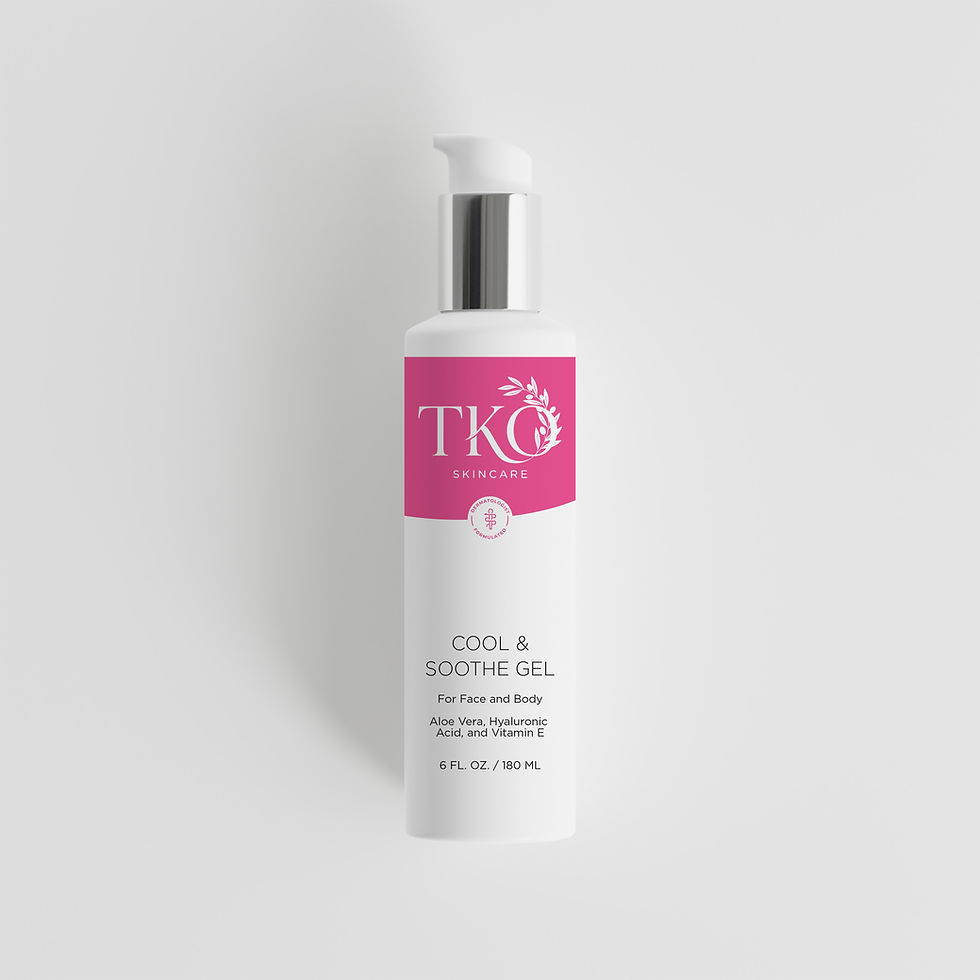
Ceramides: Help restore the skin barrier and lock in moisture.
Hyaluronic Acid: Provides lightweight hydration without clogging pores.
Niacinamide: Calms inflammation and evens skin tone.
Aloe Vera: Soothes irritation and redness.
Squalane: A gentle oil that moisturizes without feeling heavy.
Ingredients to Avoid:
Fragrances and dyes: These can cause irritation and allergic reactions.
Alcohol (denatured or SD alcohol): Can dry out and irritate sensitive skin.
Harsh exfoliants: Physical scrubs with large particles can damage delicate skin.
Strong acids (like high concentration AHAs or BHAs): Use with caution and only if tolerated.
By choosing products with the right ingredients, we support our skin’s health and reduce the risk of reactions.
Building a Simple Routine Step-by-Step
Now that we know the basics and ingredients, let’s put together a simple routine that anyone can follow. We can adjust it based on how our skin feels and reacts.
Morning Routine:
Cleanser: Use a gentle, hydrating cleanser to start fresh.
Moisturizer: Apply a lightweight moisturizer with soothing ingredients.
Sunscreen: Finish with a broad-spectrum SPF 40 or higher to protect skin.
Evening Routine:
Cleanser: Remove makeup and impurities with the same gentle cleanser.
Treatment: Apply any serums or creams for specific concerns.
Moisturizer: Use a richer moisturizer if needed to repair overnight.
Weekly Care:
Exfoliate gently once a week with a mild chemical exfoliant if tolerated.
Use a hydrating mask to boost moisture and calm the skin.
Consistency is key. We don’t need many products, just the right ones used regularly.
Tips for Maintaining Healthy Skin Every Day
Building a routine is just the start. Maintaining healthy skin means paying attention to how it changes and adapting as needed. Here are some tips to keep our skin happy:
Listen to your skin: If a product causes redness or discomfort, stop using it.
Keep it simple: Avoid overloading skin with too many products.
Stay hydrated: Drinking water supports skin from the inside.
Get enough sleep: Rest helps skin repair and renew.
Manage stress: Stress can trigger skin issues, so find ways to relax.
Protect your skin from the environment: Use hats, sunglasses, and protective clothing when outdoors.
By caring for our skin gently and thoughtfully, we create a routine that supports long-term health and comfort.
Building a personalized skincare routine is a journey. It takes patience and attention, but the results are worth it. When we choose products that respect our skin’s unique needs and use them consistently, we enjoy healthier, more radiant skin every day. Remember, simple and clean skincare can be effective for everyone, especially those with sensitive or reactive skin. Let’s embrace a routine that feels good and works well for us.
For more information on how to care for your skin, visit https://www.tkoskincare.com/.


Comments